
If you’ve been putting off straightening your teeth because you remember the bulky metal brackets of decades past, here’s some good news. Modern braces in Salinas are faster, more comfortable, and way more discreet than what you might picture. At Monterey Bay Orthodontics, we see patients every day who are surprised by how different today’s options feel from what they expected. And the benefits go far beyond a great-looking smile. We’re talking easier cleaning, better bite function, and long-term oral health improvements that can last a lifetime.
This guide covers what you need to know about today’s braces options, from how they work to what affects the investment to whether you’re a good candidate. Let’s get into it.
What Are Braces? A Modern Overview
Braces are orthodontic appliances that gradually shift your teeth into proper alignment using gentle, consistent pressure. They correct crowding, spacing, bite issues, and rotations over a period of months. The basic components include brackets, archwires, ligatures, and sometimes molar bands for extra anchorage.
What’s changed dramatically is how braces look and feel. Gone are the days of thick, uncomfortable metal. Today’s brackets are smaller, sleeker, and sit lower on your teeth. You’ve got options:
- Metal braces , The classic choice, now with a modern, streamlined profile
- Ceramic braces , Tooth-colored brackets that blend in with your smile
- Self-ligating braces , Use built-in clips instead of elastic ties for potentially faster adjustments
- Lingual braces , Placed behind your teeth for a completely hidden look
How do braces differ from clear aligners? Braces stay on your teeth 24/7 and handle complex movements with precision. Clear aligners are removable trays that work well for milder cases. Both get results, your orthodontist can help you figure out which fits your situation best.
How Modern Braces Work: The Science of Tooth Movement
Modern braces move teeth through a biological process called bone remodeling. Steady pressure from the archwire signals the bone around your tooth roots to break down on one side and rebuild on the other, allowing teeth to drift into their planned positions. Regular adjustments keep the movement on track from start to finish.
Your archwire does the heavy lifting. It’s shaped to guide your teeth along a planned path, and as your teeth move closer to their ideal spots, the wire continues applying the right amount of pressure in the right direction.
That’s why regular adjustment appointments matter. Every few weeks, your orthodontist fine-tunes the wire or swaps it out for one that keeps the momentum going. These visits are usually quick.
What about timeline? Most people wear braces for 12 to 24 months, though your specific case determines the actual duration. More complex bite issues or significant crowding may take longer. Simpler cases can wrap up faster.
And here’s something people sometimes forget: the smile experience doesn’t end when the braces come off. Retention is the final phase. You’ll wear a retainer to keep your teeth from drifting back. According to the American Association of Orthodontists, consistent retainer wear is essential for maintaining your results long-term.
Benefits of Modern Braces for Your Smile and Health
Straight teeth offer more than cosmetic appeal. Today’s braces correct a wide range of alignment and bite issues while making daily oral care easier, easing pressure on the jaw, and supporting better chewing and speech. Many patients in Salinas tell us the confidence boost is just as meaningful as the health benefits.
How Do Braces Improve Oral Hygiene?
When teeth overlap or sit too close together, brushing and flossing becomes a challenge. Food and plaque hide in spots your toothbrush can’t reach. Properly aligned teeth are simply easier to keep clean, which lowers your risk of decay and gum issues down the road.
What Bite Issues Can Braces Correct?
Braces effectively address overbites, underbites, crossbites, open bites, crowding, and spacing. Whatever’s going on with your bite, there’s likely a braces solution that can help you reach a balanced, functional result.
Can Braces Help With Jaw Strain?
Yes. A misaligned bite puts extra pressure on certain teeth and your jaw joints. Over time, this can lead to jaw soreness, headaches, and teeth that wear down unevenly. Correcting your bite distributes forces more evenly across your mouth.
Do Braces Improve Function Beyond Appearance?
Chewing, speaking, and even breathing can improve when your teeth and jaws line up correctly. Some patients notice they bite into food more efficiently or that certain sounds become easier to pronounce after their smile experience.
How Do Braces Affect Confidence?
When you feel good about your smile, it shows. Many patients tell us they smile more freely and feel more at ease in social and professional situations after their smile journey wraps up. Following through with retainer wear helps those results last for life.
Braces vs. Clear Aligners: Which Is Right for You?
This is one of the most common questions we hear. Both options work well, and the right choice depends on your specific needs and lifestyle. In short, braces are usually the stronger pick for complex movements, while clear aligners shine for milder cases where discretion and flexibility matter most.
| Factor | Braces | Clear Aligners |
|---|---|---|
| Best for | Complex cases, significant bite correction, rotations | Mild to moderate crowding, spacing |
| Visibility | Visible (or hidden with lingual) | Nearly invisible |
| Removability | Fixed in place | Removable for eating and cleaning |
| Compliance needed | Works 24/7 automatically | Requires consistent daily wear |
| Dietary restrictions | Avoid hard, sticky foods | None (remove to eat) |
| Adjustment visits | Every 4-8 weeks | Typically every 6-10 weeks |
When braces have the edge: If you’re dealing with complex bite issues, severe crowding, or teeth that need significant rotation, braces often deliver more predictable results. They’re working around the clock without any effort on your part.
When clear aligners shine: For milder cases where you want discretion and flexibility, aligners can be a great fit. Just know that they require discipline, if they’re not in your mouth, they’re not working.
Lifestyle matters too. Play contact sports? A mouthguard works with both, but some athletes prefer aligners they can remove during games. Have a job where appearance matters? Ceramic braces or aligners might be your preference. Love snacking throughout the day? Braces mean no removal required.
Some smile plans even combine both technologies, using braces for initial heavy lifting and aligners to fine-tune the finish.
Investment in Your Smile: What Affects the Numbers
The investment for braces depends on case complexity, the type of appliance you choose, and your insurance coverage. Most patients fall within a range typical for orthodontic care nationwide, and many practices offer financing to make the numbers more approachable. Here’s a closer look at what shapes the final figure.
Case complexity and duration. A straightforward case needing 12 months is a smaller investment than a complex bite correction requiring two years. More appointments, more adjustments, more materials, it adds up.
Type of braces you choose. Metal braces are usually the most accessible option. Ceramic and self-ligating braces sit a bit higher. Lingual braces (the ones placed behind your teeth) tend to be the largest investment due to the specialized technique required.
Your insurance coverage. Many dental plans include orthodontic benefits that cover a portion of care. Check your policy for lifetime maximums and age limits, some plans only cover dependents under 19.
Low monthly payment options. Most orthodontic practices, including Monterey Bay Orthodontics, offer financing to spread the investment across manageable monthly amounts. You can also use HSA or FSA funds for orthodontic care, which lets you pay with pre-tax dollars.
The value of expertise. Not all orthodontic care is created equal. Providers who invest in advanced training and digital scanning technology often deliver more efficient results. That expertise can actually save you time and money in the long run.
Are You a Good Candidate for Braces in Salinas?
Braces work for kids, teens, and adults alike, because orthodontics is for everyone. There’s really no age limit on straightening your teeth. That said, certain factors help determine whether now is the right time to get started.
For children, the American Association of Orthodontists recommends a first orthodontic evaluation by age 7. By then, enough permanent teeth have come in for an orthodontist to spot developing issues like crossbites, crowding, or jaw growth patterns. Early evaluation doesn’t always mean early care, but it gives the orthodontist a chance to monitor growth and step in at the ideal moment, something families in Salinas often appreciate knowing about ahead of time.
Signs you might benefit from braces:
- Crowded or overlapping teeth
- Spacing between teeth
- Overbite, underbite, or crossbite
- Teeth that don’t meet properly when you bite down
- Jaw soreness or clicking
- Trouble chewing or biting
What you need before getting started: Healthy gums and teeth are important. If you have active cavities or gum disease, those issues should be addressed first. Your orthodontist will coordinate with your general dentist to make sure your mouth is ready.
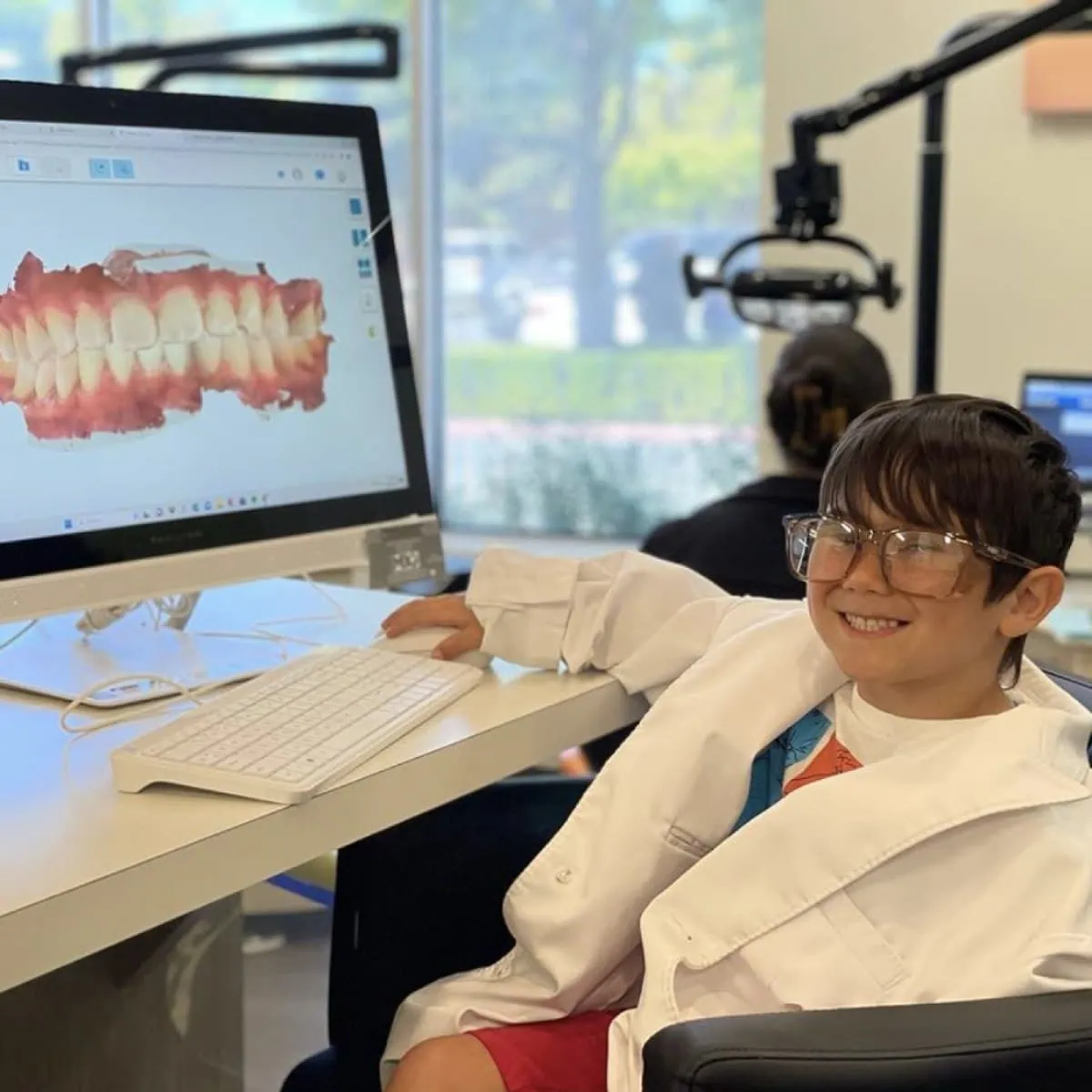
Your first visit includes: Digital imaging, possibly a 3D scan of your teeth, and a thorough evaluation of your bite. From there, you’ll receive a custom plan outlining your options, timeline, and investment. Many Salinas patients leave their first visit at Monterey Bay Orthodontics with a clear picture of what their smile experience could look like.
Frequently Asked Questions About Braces in Salinas
How long do braces take to straighten teeth?
Most patients wear braces for 12 to 24 months, though simple cases can finish sooner and complex ones may take longer. Your orthodontist will give you a personalized timeline at your first visit based on the movements your teeth need.
How much do braces cost in Salinas?
The investment varies based on case complexity, appliance type, and insurance coverage. Many practices, including Monterey Bay Orthodontics, offer low monthly payment plans, HSA/FSA compatibility, and free consults to help families plan ahead with no surprises.
Are braces or clear aligners better?
Neither option is universally better, it depends on your bite and lifestyle. Braces handle complex movements and rotations more predictably, while clear aligners offer discretion and removability for milder cases. An orthodontist can recommend the right fit after evaluating your teeth.
Do braces hurt?
Most patients feel mild soreness for a few days after braces are placed and after adjustments, but it usually fades quickly. Over-the-counter relief and soft foods help during those first days. Modern brackets are designed to be more comfortable than older systems.
What age is best for braces?
There’s no single best age, since orthodontics is for everyone. The American Association of Orthodontists suggests a first evaluation by age 7 to monitor growth, but teens and adults can absolutely benefit from braces too. Healthy teeth and gums matter more than age.
Can adults get braces?
Absolutely. Adults make up a growing share of orthodontic patients, and modern options like ceramic and lingual braces make adult care more discreet than ever. As long as your teeth and gums are healthy, you can start a smile experience at any age.