
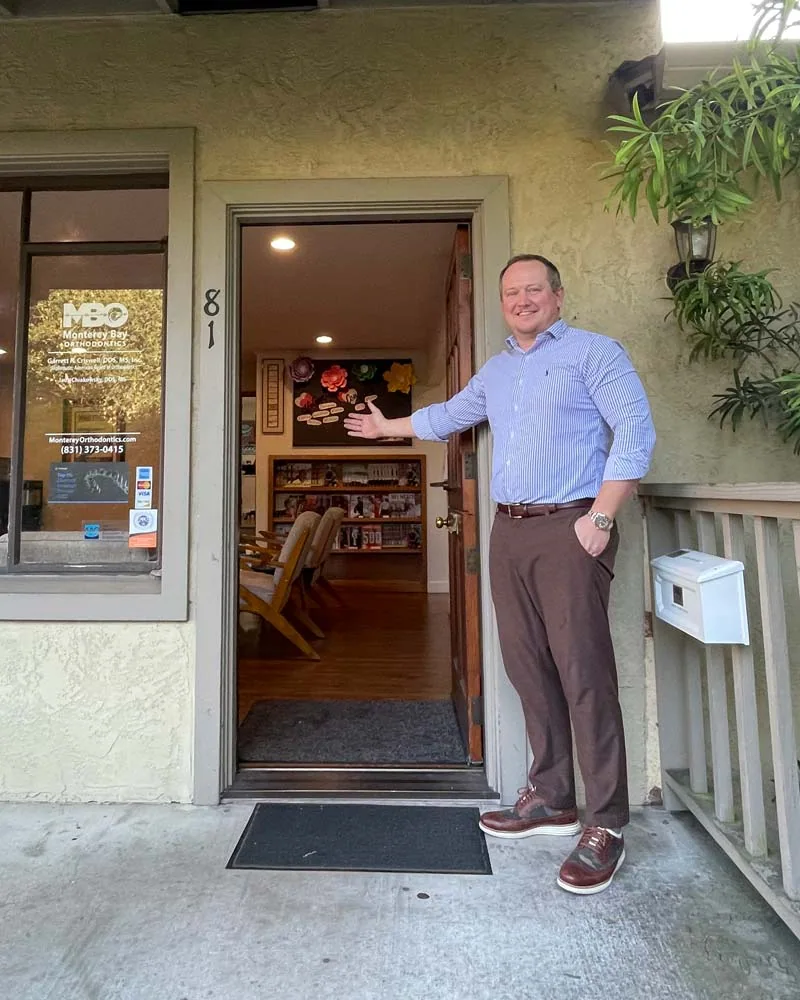
Choosing the right orthodontist is one of the most important decisions you’ll make for your family’s oral health. The best providers combine advanced training, board certification, and a warm patient-first approach that makes every visit feel welcoming.
Picking who will straighten your teeth or correct your child’s bite is a big decision. You want someone with the right training, the latest technology, and a team that makes you feel comfortable from day one. This guide walks you through what to look for when selecting an orthodontist, from credentials to treatment options to low monthly payment plans.
What Is an Orthodontist and How Are They Different From a Dentist?
An orthodontist is a dental specialist who completes 2-3 years of residency training beyond dental school. They focus exclusively on tooth alignment, bite correction, and jaw development. While all orthodontists are dentists, not all dentists are orthodontists.
Here’s what sets specialists apart:
Board certification matters. Orthodontists who earn certification through the American Board of Orthodontics (ABO) have passed rigorous written and clinical exams demonstrating advanced expertise. This voluntary certification shows a focus on quality that goes beyond basic licensure.
Specialized diagnostic training. Your general dentist might offer clear aligners, but orthodontic specialists receive intensive training in diagnosing complex cases. They understand how teeth, jaws, and airways work together. They can spot developing issues in children and create treatment plans that address root causes, not just symptoms.
Broader treatment scope. Specialists handle everything from routine crowding to airway concerns, TMJ dysfunction, and craniofacial differences. If your case involves more than simple tooth movement, you want someone who treats complex cases every day.
When evaluating providers, look for membership in the American Association of Orthodontists (AAO). This confirms the provider completed an accredited orthodontic residency program.
How to Choose the Best Orthodontist for Your Family
Selecting an orthodontist doesn’t have to feel overwhelming. Start by gathering recommendations. Ask your general dentist for referrals, and talk to friends, family, and coworkers who’ve had orthodontic treatment. Local recommendations give you real insight into patient experience and what to expect from different practices.
Once you have a short list, verify credentials. Check the AAO member directory to confirm any orthodontist you’re considering completed accredited specialty training. Look for additional certifications like ABO board certification, and check that the provider belongs to professional associations like the Pacific Coast Society of Orthodontists or the California Association of Orthodontists.
Next, schedule free consults. Most orthodontic practices offer complimentary first visits at no charge. Visit 2-3 offices to compare treatment recommendations, technology, and how the team communicates with you. A good practice will welcome your questions and explain options clearly without pressure.
During your visit, pay attention to the experience itself. Notice how the team treats you. Do they explain things clearly? Do they listen to your concerns? A good orthodontist takes time to understand your goals and walks you through every step of the process.
Finally, review practical factors. Consider office locations and hours, especially if you’ll be making frequent trips during active treatment. Ask about low monthly payment plans and insurance coordination. Make sure the practice fits your schedule and budget before committing.
Benefits of Choosing a Specialist Orthodontist
Working with a specialist orthodontist gives you advantages you won’t find at a general dental office. From advanced diagnostics to early intervention expertise, specialists bring depth that helps you achieve lasting results.
What Diagnostic Technology Do Specialists Use?
Specialists invest in tools like iTero digital scanners and 3D imaging that create precise treatment plans. Digital scans are faster and more comfortable than traditional impressions, and they let you see a preview of your future smile during your first visit. Many specialists also use advanced photography systems and treatment simulation software to map out your full smile experience before treatment begins.
Why Does Specialist Training Matter for Complex Cases?
Whether you’re dealing with a severe bite issue, airway concerns, or jaw dysfunction, specialists have the training to develop solutions built around you. The AAO recommends children have their first orthodontic evaluation by age 7. Specialists understand growth and development patterns that help them identify the right time for treatment.
Beyond complex diagnosis, here’s what specialty care offers:
- Custom treatment for unique cases, including airway and TMJ concerns
- Better long-term stability because specialists track growth and bite changes carefully
- Full treatment options, from traditional braces to clear aligners and specialized appliances
- Easier insurance coordination since specialty practices work with orthodontic benefits daily
Our favorite orthodontists at quality specialty practices typically hold DDS and MS degrees in Orthodontics and maintain active memberships in the American Dental Association, the Pacific Coast Society of Orthodontists, and the California Association of Orthodontists. That depth of training makes a real difference in your results.
Comparing Orthodontic Treatment Options
Orthodontic treatment has come a long way beyond metal braces. Patients now have several solid options to choose from, including traditional braces, clear aligners, ceramic braces, early treatment appliances, airway-focused care, and TMJ-specific solutions. Each option has strengths depending on your case complexity, age, and lifestyle goals.
| Treatment Type | Best For | Key Features |
|---|---|---|
| Traditional Metal Braces | Complex cases, all ages | Most effective for severe crowding and bite issues |
| Clear Aligners | Mild to moderate cases | Removable, nearly invisible, comfortable |
| Ceramic Braces | Adults wanting subtle treatment | Tooth-colored brackets blend with teeth |
| Early Treatment Appliances | Children ages 7-10 | Expanders, partial braces guide jaw growth |
| Airway Orthodontics | Breathing and sleep concerns | Addresses root causes of mouth breathing |
| TMJ Treatment | Jaw discomfort and dysfunction | Specialized appliances reduce symptoms |
Traditional metal braces remain the gold standard for complex cases. They work well for patients of all ages and typically have a lower overall treatment fee.
Clear aligners like Invisalign offer a discreet alternative for many patients. They’re removable for eating and brushing, making oral hygiene easier during treatment. Your success depends on wearing them as directed.
Ceramic braces give you the precision of traditional braces with tooth-colored brackets that are less noticeable. They’re popular with adult patients who want subtle treatment that still works well for moderate to complex cases.
Early treatment uses appliances like palatal expanders to guide jaw development in growing children. This can reduce the need for more extensive treatment later and often makes Phase 2 treatment shorter and simpler.
Airway orthodontics addresses breathing issues alongside alignment. If you or your child struggles with mouth breathing, snoring, or sleep concerns, this specialized approach targets underlying causes rather than just symptoms.
Understanding Treatment Fees and Payment Plans
Several factors influence what you’ll invest in orthodontic care:
Treatment type. Clear aligners and traditional braces typically run a few thousand dollars, with fees varying based on case length and complexity. Your specific fee depends on your unique case and treatment plan.
Case complexity. A simple spacing issue takes less time than a severe bite correction. Treatment length ranges from 12 to 30 months on average, and longer treatment generally means higher fees.
Technology and diagnostics also play a role. Practices using digital scanning, 3D treatment planning, and advanced imaging invest in tools that improve your results. This technology is reflected in treatment fees but often makes the experience faster and more comfortable.
Insurance coverage helps offset treatment fees for many families. Many dental insurance plans include orthodontic benefits that often provide meaningful coverage toward treatment. Check your plan details or ask the orthodontic office to verify your coverage before you get started.
Most specialty practices offer in-house financing with low monthly payment plans, making treatment simple & affordable for most families. Many practices even provide payment calculators on their websites so you can estimate monthly amounts before your free consult.
HSA and FSA accounts can also help. You can use pre-tax dollars from health savings accounts or flexible spending accounts for orthodontic treatment, reducing your total investment.
Who Is a Good Candidate for Orthodontic Treatment?
Orthodontics is for everyone. Treatment can improve your smile and oral health at almost any age, whether you’re 7 or 70. Good candidates include children with developing bite issues, teens with crowding or spacing concerns, adults seeking smile improvement, and patients dealing with airway or TMJ symptoms.
Children ages 7 and up should have their first orthodontic evaluation, according to AAO guidelines. This doesn’t mean treatment starts immediately. It gives your orthodontist the chance to monitor development and recommend the right timing for any needed care.
Teens with crowding, spacing, or bite issues benefit from full treatment during these growth years. This is a core time for building confidence with a great smile, and many teens love how clear aligners fit into their busy school and sports schedules.
Adults seeking smile improvement can achieve beautiful results at any stage of life. More adults than ever are choosing orthodontic treatment, and options like clear aligners make it easier to fit treatment into busy work schedules. There’s no age limit on a life-changing smile experience.
Patients with airway concerns, including sleep apnea, mouth breathing, or snoring, may benefit from orthodontic treatment that addresses jaw position and airway space. Anyone experiencing TMJ symptoms like jaw discomfort, clicking, or difficulty chewing might also find relief through specialized orthodontic care. And people needing retainer replacement after previous treatment can work with an orthodontist to maintain their results long-term.
Frequently Asked Questions
How long does orthodontic treatment take?
Most orthodontic treatment takes 12 to 30 months, depending on your specific case. Simple spacing issues may resolve faster, while complex bite corrections require more time. Your orthodontist will give you a personalized timeline during your free consult, and the team will explain what to expect at each stage so there are no surprises along the way.
What age should my child see an orthodontist?
The American Association of Orthodontists recommends children have their first evaluation by age 7. At this age, enough permanent teeth have emerged to identify developing issues. Early evaluation doesn’t always mean early treatment, but it allows monitoring and timely intervention when needed. Catching issues early often means simpler, shorter treatment down the road.
Does insurance cover orthodontic treatment?
Many dental insurance plans include orthodontic benefits that often provide meaningful coverage toward treatment. Coverage varies by plan, so check your specific benefits. Most orthodontic offices will verify your insurance and explain your coverage before you get started, and many offer in-house financing to cover whatever insurance doesn’t.
Are clear aligners as good as braces?
Clear aligners work well for most mild to moderate cases when worn as directed, typically 20-22 hours per day. For complex bite issues or severe crowding, traditional braces may produce better results. Our favorite orthodontists will recommend the best option for your specific needs based on a thorough exam and digital scan during your free consult.
How often are appointments during treatment?
Expect visits every 6 to 10 weeks during active treatment. These appointments allow your orthodontist to monitor progress and make adjustments. Most visits are quick, often 20-30 minutes, making it easy to fit them into your schedule between school, work, and other activities.
What is airway orthodontics?
Airway orthodontics addresses breathing and jaw development together. This approach helps patients who struggle with mouth breathing, snoring, or sleep-disordered breathing by improving jaw position and expanding airway space. It’s a whole-person approach that goes beyond just straightening teeth, supporting better sleep and overall health for kids and adults alike.
Finding the right orthodontist comes down to credentials, technology, and a team that makes you feel at home. Take your time, ask plenty of questions, and trust your instincts when you find a practice where you and your family feel welcome.